
Contactless Payments: 5 Business Essentials You Need to Know
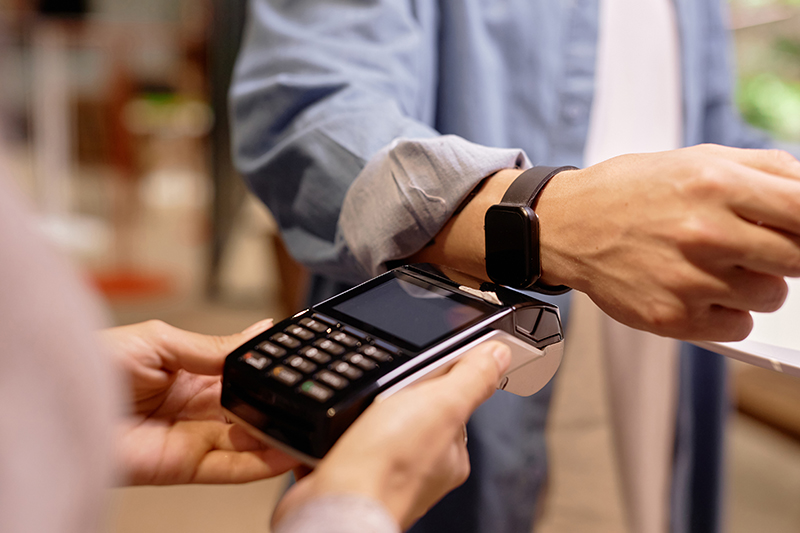
How we pay has changed dramatically in recent years, and contactless payments are leading the charge. From faster checkout to improved security, this technology offers clear advantages for businesses of all sizes. Whether you are upgrading your system or starting to explore the options, here are five essential things to know about contactless payments.
Understanding Contactless Technology
At the core of contactless payments is near field communication (NFC), a short-range wireless technology that securely transmits payment data between a card or device and a point-of-sale (POS) terminal. The limited range, typically just a few centimeters, helps protect against data theft. Mobile wallets use tokenization to secure transactions further, replacing actual card numbers with unique, one-time-use codes. Many modern cards also feature built-in contactless chips, allowing users to tap and go. Businesses should ensure their POS systems are NFC-compatible and understand the transaction limits that may apply to tap-based payments.
Benefits for Your Business
Contactless payments speed up transactions, reduce checkout lines, and improve efficiency, especially during busy hours. The result is a smoother customer experience and potentially greater throughput. Customers value speed and convenience, and offering contactless options positions your business as modern and responsive. Security is another key benefit. Tokenization and encryption protect card data, reducing fraud risk and the likelihood of chargebacks. Limiting physical contact, especially in industries like food service or healthcare, also supports hygiene and safety.
Implementation Essentials
To start, confirm that your POS terminal supports contactless payments. Depending on your system, this may require hardware upgrades or software updates. Check with your payment processor to ensure compatibility with NFC cards and mobile wallets and clarify any fees for contactless transactions. Some processors may charge different rates for contactless payments, so compare options. Confirm the processor complies with the Payment Card Industry Data Security Standard (PCI DSS). Ensure your team understands how to process contactless payments, troubleshoot common issues, and know the security protocols.
Security Considerations
Adhere to the PCI DSS to protect cardholder data, including implementing security measures to prevent unauthorized access, use, or disclosure of sensitive information. Regularly audit and update your systems with the latest security patches to avoid vulnerabilities and protect against cyberattacks. Use fraud detection tools to monitor unusual activity and set transaction limits to minimize risk, with clear procedures for when those limits are reached.
Future Trends
Mobile wallet use is growing as consumers get more comfortable with digital payments. Businesses should be ready to support seamless mobile transactions. Biometric authentication, like fingerprints or facial recognition, is becoming more common and adds another layer of security and convenience. Small businesses can also accept payments directly on mobile devices, reducing the need for dedicated POS hardware.
Contactless payments aren’t just a fad. By embracing this technology, your business can improve customer experience, enhance security, and stay competitive in a fast-evolving marketplace.
Ready to modernize your payment experience? Let’s talk about secure, efficient solutions for your business.