Fraud & Security

Common Scams & Red Flags

Learn how to spot common scams and keep your personal and account information safe.

Don't Fall Victim to Fraud: Stay Vigilant and Informed

Every day, regular people like you lose their hard-earned money to scams. Learn how to spot suspicious texts, emails, and phone calls. 

We will never unexpectedly contact you and ask for personal information. Please call us at 800-651-9111 if you think you have been scammed or notice fraudulent activity on your account. 


Reduce Your Risk of Fraud

  • Set up Two-Factor Authentication (2FA).
  • Never click on a suspicious link requesting personal information.
  • Do not use the same username, pin, or password for multiple online accounts.
  • Use a lengthy, complex password or passphrase that incorporates special characters.
  • Avoid accessing your online banking accounts via a wireless network.
scam alert

Read More About Scams

Ever heard of the Frozen Account Scam? Learn how to protect yourself from it on our blog.

Red Flags It's a Scam!

Be on alert when you receive an email, text message, phone call, or mobile payment you are not expecting—it could be a scam. Never click links, open attachments, or share personal info before verifying the source. If you spot any of these red flags, please call us at 800-651-9111. 
account alerts

Unfamiliar Contact Information

Unusual caller ID, email address, or phone numbers.
fast approval

You Feel Rushed

Urgent warnings or requests and scare tactics.
spelling errors dictionary

Spelling Errors

Watch for misspelled words or odd grammar.
requests personal information identification

Requests for Personal Information

We’ll never ask for your personal information.
suspicious links phishing

Suspicious Links

Banks rarely, if ever, send links via text.
anytime access funds

Overpayment Claims

This is a tactic scammers use to trick you into sending them money.

Protect Yourself from Common Scams

The banking industry is witnessing a significant surge in text message and phone call scams. These criminals are impersonating Isabella Bank and other financial institutions to deceive you into revealing sensitive personal information.

Be vigilant: these requests are fraudulent. Never share your personal or account details with anyone.

Fraudsters are relentless in their development of scams to outsmart the existing authentication controls put in place to protect your account information. Here are some recent and common scams to look out for.


Tax Scams:

Scammers pose as IRS agents, using phone calls, emails, or text messages to demand immediate payment, threaten legal action, or request sensitive information. It’s important to know the IRS will never call, email, or text you demanding payment or threatening arrest. Instead, they will always contact you first through an official letter by mail. You can verify any IRS contact by calling 1-800-829-1040.


Bank Fraud Text Message and Phone Call Scams:

The banking industry has seen an increase in the number of text message and phone call scams. In ongoing scams, they are impersonating Isabella Bank and other financial institutions in an attempt to mislead consumers into sharing their personal and account information. Please be aware that these attempts are scams, and it is important that YOU DO NOT provide any information to them. As your trusted banking partner, Isabella Bank understands the importance of protecting your personal and account information. We have many layers of security in place to keep our customers’ information safe and protecting that information is paramount to all of us.


Human Voice Replication: 

This is a sophisticated scam where criminals use artificial intelligence to replicate human voices, impersonating family members or trusted individuals to deceive you into revealing sensitive information or sending money. 


Money Mules Fuel Fraud:

What are money mules? Money mules are people who receive and move money obtained by victims of fraud. Some money mules know they’ve been recruited to assist criminal activity, but others become money mules without realizing their activity is benefiting fraudsters.


Keystroke Logging/Virus Attacks: 

Keylogging is a method by which fraudsters record your actual keystrokes and mouse clicks. Keyloggers are "Trojan" software programs that target your computer's operating system (Windows, Mac OS, etc.) and are "installed" via a virus. These can be particularly dangerous because the fraudster has captured your user ID and password and anything else you have typed while online. If you are like most other users and have the same ID and PIN/Password for many different online accounts, you have essentially granted the fraudster access to any company with whom you conduct business. 


Phishing:

Phishing is a scam where fraudsters request personal information from users. While requests are most commonly in the form of an email from an organization you may or may not do business with, they could also be from a phone call, text message or letter. The request is made to look exactly like it came from the organization, complete with company logos and other convincing information. The request usually states that the company needs you to update your personal information or that your account is about to become inactive or frozen, all in an effort to get you to supply your information. Please remember no reputable business will ever contact you in these ways requesting that you update your personal information, including account numbers, system passwords or Social Security Numbers. 

Scammers Can Attack from Many Different Angles

Visit the American Bankers Association’s Banks Never Ask That website to learn more about the communication methods scammers use.
senior man on a phone call reading his credit card looking confused

Phone Calls

Scammers may try to impersonate the bank over the phone. Don't give any information out unless you made the call yourself.
woman looking at her phone at a suspicous message

Text Messages

Keep info safe by not responding & deleting suspicious text messages.
man viewing his computer laptop screen suspiciously

Email

Most Phishing attempts are done via email, the most frequently used tool. Don't click on any links. Verify before you trust.
man looking at his phone concerned about something he just read

Mobile Payment Apps

Be cautious if you receive a request for money from a stranger. This can happen in apps like Venmo, CashApp, etc.
mature man holding phone in a park

Learn About Our Contact Policy

Isabella Bank's Contact Policy

We will never contact you and ask for personal information. Please contact us directly before providing information to anyone who contacts you on an unsolicited basis. 

Recent Articles 

Essential Zelle Safety Tips to Keep You Secure

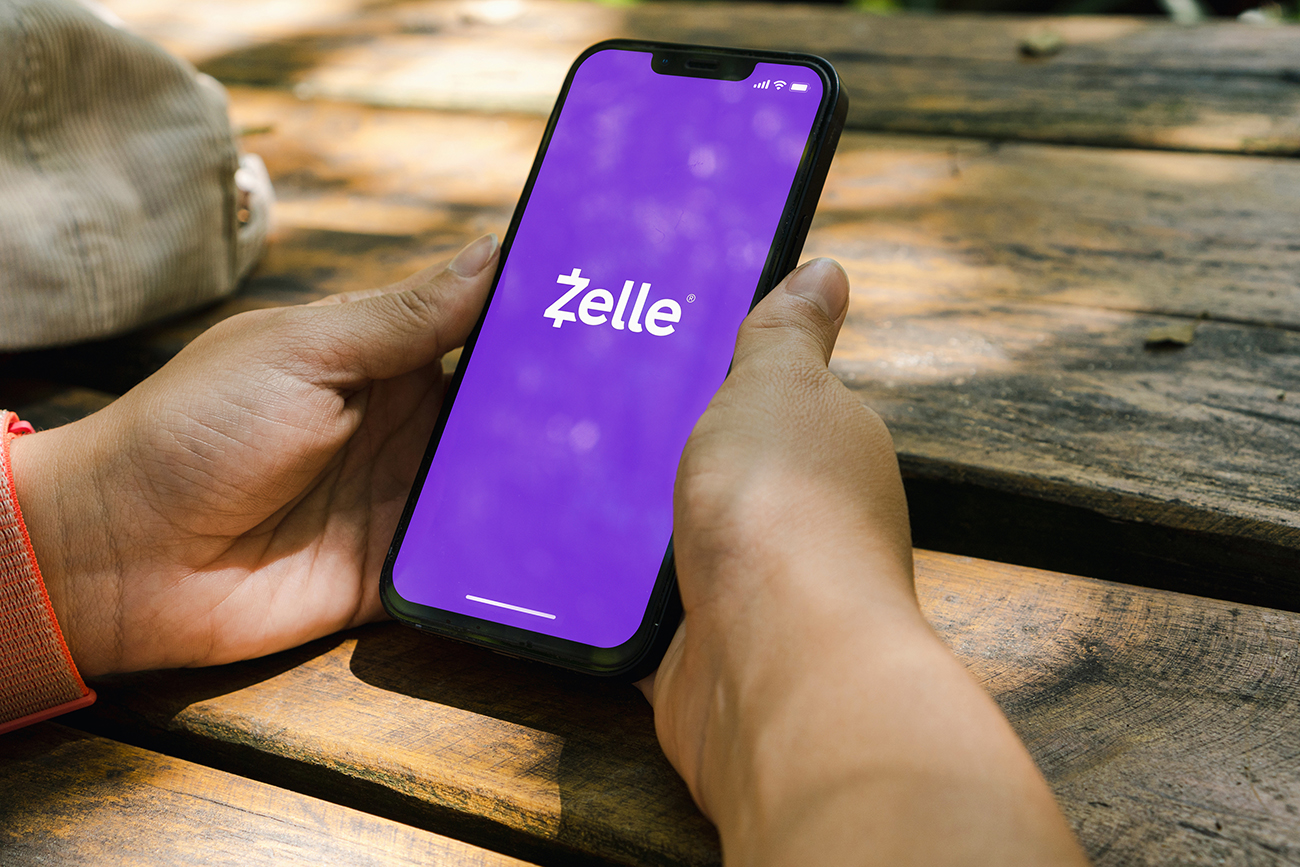
Person sitting at picnic table holding cellphone with Zelle pulled up on screen

Zelle is a prominent peer-to-peer payment service directly integrated into the mobile banking apps of thousands of financial institutions across the U.S. It has become an indispensable way to quickly send and receive money, often within minutes. However, like any financial tool, understanding Zelle’s nuances and potential risks is crucial for safe and effective use. 

Here’s what you need to know about Zelle:

It’s connected to Your Bank Account 

You can find Zelle inside your Isabella Bank mobile app and online banking platform. All it takes is your U.S. mobile number or email address, and you can link it to your account. Sending money is as simple as entering an enrolled recipient’s contact info, amount, and a note. Unlike stand-alone apps that hold funds in a separate balance, Zelle moves money straight from your account to the recipient’s.

Treat It Like Cash

One of Zelle’s biggest benefits is speed, but that speed also comes with risk. Once a payment is sent to an enrolled user, it’s generally instant and cannot be canceled. Because of this, using Zelle is like handing over cash: Once it’s gone, it’s gone. Always double-check that you’ve entered the correct contact info before confirming a transaction.

Trust Is Key for Transactions

Zelle is designed for sending money to people you know and trust, like friends, family, or regular service providers. Because it doesn’t offer purchase protection for goods or services, Zelle is not ideal for transactions with strangers or unfamiliar online sellers. Consider it a red flag if a seller insists on using Zelle exclusively. Consider using payment methods with built-in protections for higher-risk transactions.

Watch Out for Common Scams

Be cautious of scammers who impersonate your bank, other trusted entities, or loved ones in crisis. Always verify requests through a separate, secure method. Online marketplace scams and phishing emails pretending to be from Zelle or your bank are also common. Avoid clicking suspicious links or sharing login information.

Protect Yourself 

Zelle includes authentication and fraud monitoring, but your own vigilance offers the best protection. Use strong, unique passwords for your bank accounts, enable two-factor authentication, and set up alerts for unusual activity. Most importantly, verify every transaction before sending. If something seems off or you suspect fraud, contact your financial institution immediately.

Zelle is fast and easy, but it comes with risks. When you know the red flags to look out for, the platform can be a secure, convenient way to send and receive money.