Fraud & Security

Common Scams & Red Flags

Learn how to spot common scams and keep your personal and account information safe.

Don't Fall Victim to Fraud: Stay Vigilant and Informed

Every day, regular people like you lose their hard-earned money to scams. Learn how to spot suspicious texts, emails, and phone calls. 

We will never unexpectedly contact you and ask for personal information. Please call us at 800-651-9111 if you think you have been scammed or notice fraudulent activity on your account. 


Reduce Your Risk of Fraud

  • Set up Two-Factor Authentication (2FA).
  • Never click on a suspicious link requesting personal information.
  • Do not use the same username, pin, or password for multiple online accounts.
  • Use a lengthy, complex password or passphrase that incorporates special characters.
  • Avoid accessing your online banking accounts via a wireless network.
scam alert

Read More About Scams

Ever heard of the Frozen Account Scam? Learn how to protect yourself from it on our blog.

Red Flags It's a Scam!

Be on alert when you receive an email, text message, phone call, or mobile payment you are not expecting—it could be a scam. Never click links, open attachments, or share personal info before verifying the source. If you spot any of these red flags, please call us at 800-651-9111. 
account alerts

Unfamiliar Contact Information

Unusual caller ID, email address, or phone numbers.
fast approval

You Feel Rushed

Urgent warnings or requests and scare tactics.
spelling errors dictionary

Spelling Errors

Watch for misspelled words or odd grammar.
requests personal information identification

Requests for Personal Information

We’ll never ask for your personal information.
suspicious links phishing

Suspicious Links

Banks rarely, if ever, send links via text.
anytime access funds

Overpayment Claims

This is a tactic scammers use to trick you into sending them money.

Protect Yourself from Common Scams

The banking industry is witnessing a significant surge in text message and phone call scams. These criminals are impersonating Isabella Bank and other financial institutions to deceive you into revealing sensitive personal information.

Be vigilant: these requests are fraudulent. Never share your personal or account details with anyone.

Fraudsters are relentless in their development of scams to outsmart the existing authentication controls put in place to protect your account information. Here are some recent and common scams to look out for.


Tax Scams:

Scammers pose as IRS agents, using phone calls, emails, or text messages to demand immediate payment, threaten legal action, or request sensitive information. It’s important to know the IRS will never call, email, or text you demanding payment or threatening arrest. Instead, they will always contact you first through an official letter by mail. You can verify any IRS contact by calling 1-800-829-1040.


Bank Fraud Text Message and Phone Call Scams:

The banking industry has seen an increase in the number of text message and phone call scams. In ongoing scams, they are impersonating Isabella Bank and other financial institutions in an attempt to mislead consumers into sharing their personal and account information. Please be aware that these attempts are scams, and it is important that YOU DO NOT provide any information to them. As your trusted banking partner, Isabella Bank understands the importance of protecting your personal and account information. We have many layers of security in place to keep our customers’ information safe and protecting that information is paramount to all of us.


Human Voice Replication: 

This is a sophisticated scam where criminals use artificial intelligence to replicate human voices, impersonating family members or trusted individuals to deceive you into revealing sensitive information or sending money. 


Money Mules Fuel Fraud:

What are money mules? Money mules are people who receive and move money obtained by victims of fraud. Some money mules know they’ve been recruited to assist criminal activity, but others become money mules without realizing their activity is benefiting fraudsters.


Keystroke Logging/Virus Attacks: 

Keylogging is a method by which fraudsters record your actual keystrokes and mouse clicks. Keyloggers are "Trojan" software programs that target your computer's operating system (Windows, Mac OS, etc.) and are "installed" via a virus. These can be particularly dangerous because the fraudster has captured your user ID and password and anything else you have typed while online. If you are like most other users and have the same ID and PIN/Password for many different online accounts, you have essentially granted the fraudster access to any company with whom you conduct business. 


Phishing:

Phishing is a scam where fraudsters request personal information from users. While requests are most commonly in the form of an email from an organization you may or may not do business with, they could also be from a phone call, text message or letter. The request is made to look exactly like it came from the organization, complete with company logos and other convincing information. The request usually states that the company needs you to update your personal information or that your account is about to become inactive or frozen, all in an effort to get you to supply your information. Please remember no reputable business will ever contact you in these ways requesting that you update your personal information, including account numbers, system passwords or Social Security Numbers. 

Scammers Can Attack from Many Different Angles

Visit the American Bankers Association’s Banks Never Ask That website to learn more about the communication methods scammers use.
senior man on a phone call reading his credit card looking confused

Phone Calls

Scammers may try to impersonate the bank over the phone. Don't give any information out unless you made the call yourself.
woman looking at her phone at a suspicous message

Text Messages

Keep info safe by not responding & deleting suspicious text messages.
man viewing his computer laptop screen suspiciously

Email

Most Phishing attempts are done via email, the most frequently used tool. Don't click on any links. Verify before you trust.
man looking at his phone concerned about something he just read

Mobile Payment Apps

Be cautious if you receive a request for money from a stranger. This can happen in apps like Venmo, CashApp, etc.
mature man holding phone in a park

Learn About Our Contact Policy

Isabella Bank's Contact Policy

We will never contact you and ask for personal information. Please contact us directly before providing information to anyone who contacts you on an unsolicited basis. 

Recent Articles 

Essential Steps to Prevent Check Fraud

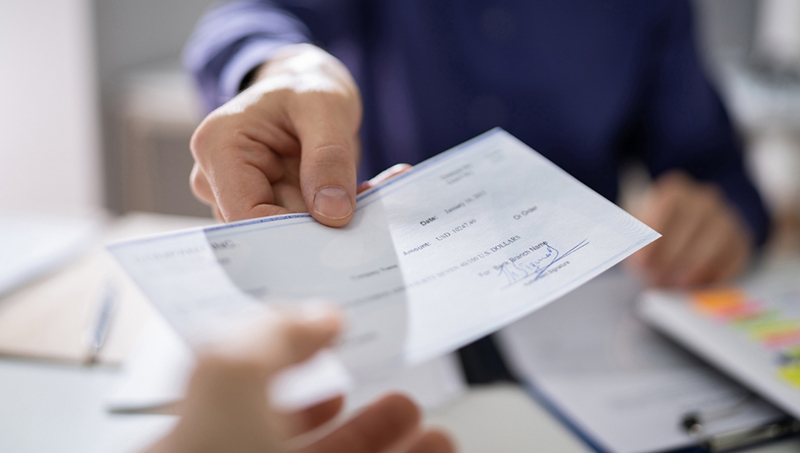
Close up picture of man handing over a check to someone else

Even with the rise of digital payments, traditional paper checks remain prevalent in certain industries and are still a prime target for fraud. Criminals exploit vulnerabilities in the check-writing process, putting both individuals and businesses at risk. In this article, we’ll explore common check fraud schemes and offer practical steps to protect your money.

Common Check Fraud Schemes

Forged Signatures

One of the simplest forms of check fraud involves forging the account holder’s signature. Criminals may copy the signature from a stolen check or, in some cases, attempt to guess it. This can lead to unauthorized withdrawals and significant financial losses.

Check Washing

Criminals use chemicals to erase the ink on a legitimate check, allowing them to change the payee and amount. They can then sell the blank signed check or fill it out to themselves and deposit it.

Counterfeit Checks

Advances in printing technology enable criminals to produce counterfeit checks that are nearly indistinguishable from legitimate ones. These fake checks often replicate the look of authentic checks, making them difficult to spot. Red flags include missing security features like watermarks or microprinting.

Check Kiting

This scheme involves writing checks from one account to another, with not enough money in either account, to create the illusion of having more money than exists. This lets the fraudster temporarily access funds they don’t have.

Stolen Checks

Criminals may steal checks from mailboxes, homes, or businesses. Once they have a check, they can forge the signature or change the details to cash it.

Best Practices for Preventing Check Fraud

Monitor Your Accounts

Regularly monitor your accounts, either through online banking or mobile apps, for any unrecognized transactions. Set up alerts for suspicious activity and report any concerns to us immediately.

Secure Your Checks

Store your blank checks securely out of sight in a locked drawer or safe. Retrieve any checks written to you that are delivered by mail promptly, and if they are lost or stolen, contact your financial institution immediately to stop payment. The stop payment instructs financial institutions not to honor the check if it hasn’t already been processed. To stop payment on a check, financial institutions often need information such as the check number, the amount, and the name of the person or business the check was made out to.

Use Online Banking

Online banking offers real-time transaction monitoring and the ability to set up alerts for suspicious activity. Many platforms also provide fraud detection tools and enhanced security features.

Consider Positive Pay

This service, offered by many financial institutions, lets you give your bank a list of authorized checks. Any checks presented for payment that aren’t on the list are flagged for review.

Be Cautious With Personal Information

Never share your account or routing numbers with untrusted sources. Be wary of unsolicited requests for personal information, especially via phone or email. Always verify the identity of the requester to avoid phishing scams. Shred any documents with your account information, including old checks and statements, before throwing them away.

Opt for Electronic Payments

Whenever possible, use electronic payment methods like credit cards, debit cards, or online payment services. These methods are more secure and leave a clear record of the transaction.

Use Tamper-Proof Pens for Checks

Use a tamper-proof pen with non-erasable ink, such as gel ink, which is harder to remove than standard ballpoint ink.

Write Checks Carefully

Avoid leaving blank spaces on your checks. Fill in all the lines completely and draw a line through any unused space.

Reach Out

If you have questions or concerns about securing your accounts or setting up alerts, reach out. We’re here to help!